

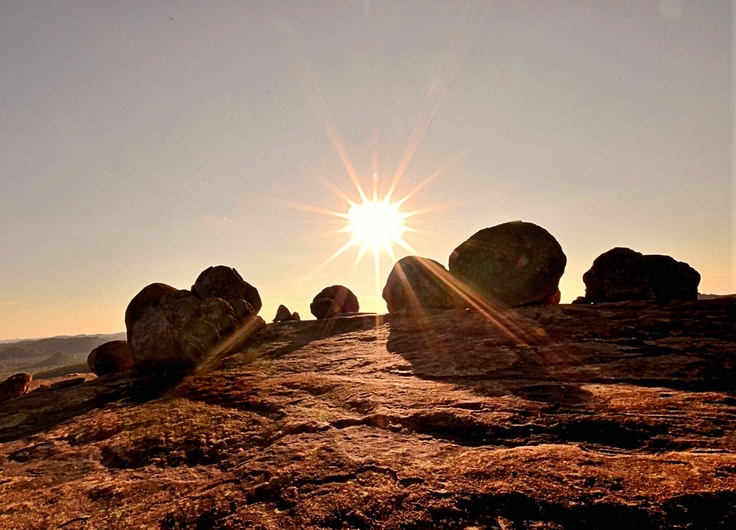
Matobo National Park, often referred to as Matopos, is one of Zimbabwe's most captivating natural reserves. Located in the southwestern part of the country, near the city of Bulawayo, Matobo is renowned for its dramatic granite landscapes, rich cultural history, and abundant wildlife. This UNESCO World Heritage Site offers visitors a unique blend of natural beauty and historical significance, making it a must-visit destination for travelers.
Matobo National Park, often referred to as Matopos, is one of Zimbabwe’s most captivating natural reserves. Located in the southwestern part of the country, near the city of Bulawayo, Matobo is renowned for its dramatic granite landscapes, rich cultural history, and abundant wildlife. This UNESCO World Heritage Site offers visitors a unique blend of natural beauty and historical significance, making it a must-visit destination for travelers.
A Landscape Sculpted by Time
Matobo National Park is characterized by its distinctive granite formations, which have been sculpted over millions of years by natural forces. The park’s name, derived from the Kalanga word “matobo” meaning “bald heads,” perfectly describes the smooth, rounded hills and balancing rock formations that dominate the landscape. These geological features create a surreal and otherworldly environment that is both awe-inspiring and serene.
One of the most iconic features of Matobo is the “Mother and Child” rock formation, which epitomizes the park’s unique geological beauty. The park also includes deep valleys, wooded ravines, and open grasslands, providing a diverse array of habitats for its flora and fauna.

Rich Cultural Heritage
Matobo National Park is steeped in cultural and historical significance. The area has been inhabited by humans for thousands of years, and it is home to one of the highest concentrations of rock art in southern Africa. These ancient rock paintings, created by the San (Bushmen) people, date back over 13,000 years and depict scenes of hunting, dancing, and everyday life. The rock art sites, such as Nswatugi Cave and Silozwane Cave, offer a fascinating glimpse into the lives and beliefs of early human inhabitants.
The park is also the final resting place of Cecil John Rhodes, the British colonialist and founder of Rhodesia (now Zimbabwe). Rhodes chose Matobo as his burial site due to its breathtaking scenery and spiritual significance. His grave, known as “World’s View,” is situated on a hilltop and offers panoramic views of the surrounding landscape. This site is not only a historical landmark but also a place of reflection and contemplation.
Wildlife and Conservation
Matobo National Park is a haven for wildlife, with a diverse range of species inhabiting its various ecosystems. The park is particularly famous for its population of rhinos, both black and white, which are protected within a designated Intensive Protection Zone. Visitors have the rare opportunity to see these magnificent creatures up close, often accompanied by experienced guides on foot safaris.
In addition to rhinos, Matobo is home to a variety of other wildlife, including leopards, zebras, giraffes, and numerous antelope species. The park is also a birdwatcher’s paradise, with over 300 bird species recorded, including the Verreaux’s eagle, which nests in the cliffs and rocky outcrops.
Activities and Experiences
Matobo National Park offers a wide range of activities for visitors, catering to all interests and fitness levels. Game drives are a popular way to explore the park and observe its wildlife in their natural habitats. Walking safaris provide a more intimate and immersive experience, allowing visitors to appreciate the smaller details of the park’s ecosystems, from tracks and plants to insects and birds.
For those interested in the park’s cultural heritage, guided tours of the rock art sites offer a fascinating journey into the past. Visitors can learn about the significance of the paintings and the history of the San people who created them. The hike to World’s View and Rhodes’ Grave is another highlight, offering stunning vistas and a chance to reflect on the area’s historical legacy.
Conservation Efforts
Conservation is a key priority in Matobo National Park. The Zimbabwe Parks and Wildlife Management Authority, along with various conservation organizations, work tirelessly to protect the park’s unique ecosystems and wildlife. Anti-poaching measures, habitat restoration projects, and community engagement programs are all integral to the park’s conservation efforts.
Local communities play a vital role in these initiatives, with community-based tourism and education programs helping to foster a sense of ownership and responsibility for the park’s preservation. By involving local people in conservation efforts, Matobo ensures that its natural and cultural heritage is safeguarded for future generations.
A Sanctuary of Serenity
Matobo National Park is more than just a destination; it is a sanctuary of natural beauty and cultural richness. The park’s dramatic landscapes, abundant wildlife, and ancient rock art offer visitors a unique and enriching experience. Whether you are a nature lover, a history buff, or simply seeking a place of tranquility, Matobo promises an unforgettable journey into the heart of Zimbabwe’s natural and cultural heritage.
In conclusion, Matobo National Park stands as a testament to the enduring beauty and historical significance of Zimbabwe’s landscapes. Its unique geological formations, rich cultural heritage, and commitment to conservation make it a must-visit destination for anyone passionate about the natural world and human history.