

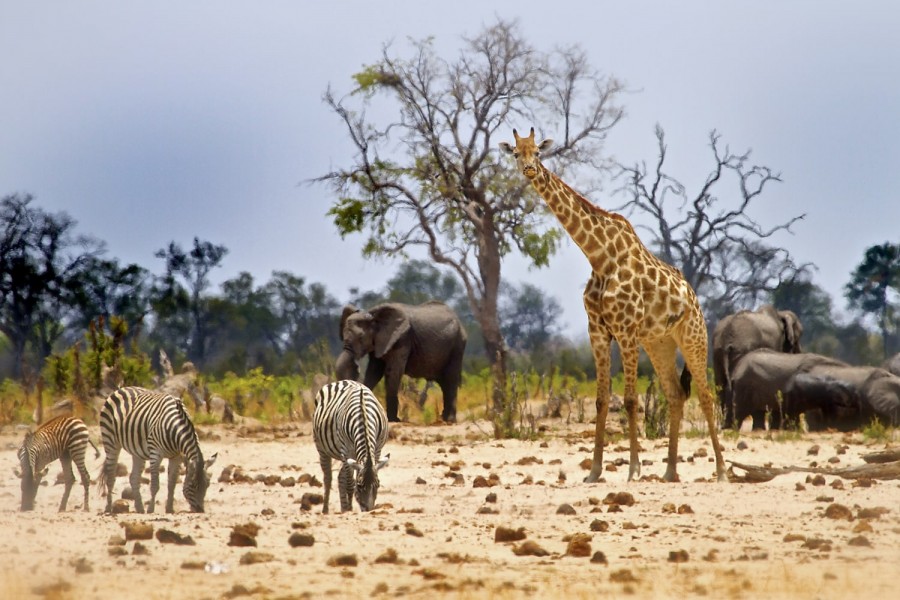
Nestled in the heart of Zimbabwe, Hwange National Park stands as one of Africa's premier wildlife sanctuaries. Spanning over 14,600 square kilometers, it is the largest national park in Zimbabwe and one of the most diverse in terms of flora and fauna. Renowned for its rich biodiversity, stunning landscapes, and vast herds of elephants, Hwange is a must-visit destination for any nature and wildlife enthusiast.
Hwange National Park: Zimbabwe’s Premier Wildlife Haven
Nestled in the heart of Zimbabwe, Hwange National Park stands as one of Africa’s premier wildlife sanctuaries. Spanning over 14,600 square kilometers, it is the largest national park in Zimbabwe and one of the most diverse in terms of flora and fauna. Renowned for its rich biodiversity, stunning landscapes, and vast herds of elephants, Hwange is a must-visit destination for any nature and wildlife enthusiast.
A Historical and Ecological Gem
Hwange National Park, established in 1928, was named after a local Nhanzwa chief, Hwange Rosumbani. It is situated in the northwest corner of Zimbabwe, near the Botswana border, and forms part of the Kavango-Zambezi Transfrontier Conservation Area. The park’s history dates back to pre-colonial times when it was a hunting ground for indigenous people. Today, it stands as a protected area, dedicated to conservation and the protection of its unique ecosystems.
The park’s landscape is incredibly varied, featuring vast savannahs, woodlands, and sparse desert areas. This diversity of habitats supports an impressive array of wildlife, making Hwange one of the most important conservation areas in Africa.
Wildlife Abundance
Hwange National Park is renowned for its incredible wildlife population. It is home to one of the largest elephant populations in the world, with estimates of over 40,000 elephants roaming the park. Visitors can witness these majestic creatures in large herds, often seen congregating around the numerous waterholes scattered throughout the park.
In addition to elephants, Hwange boasts an impressive variety of other wildlife species. The park is a sanctuary for over 100 mammal species, including lions, leopards, cheetahs, buffaloes, and rhinos. Hwange is also a birdwatcher’s paradise, with over 400 bird species recorded, including rare and endangered species such as the martial eagle and the African skimmer.
Conservation Efforts
Conservation is at the heart of Hwange National Park’s mission. The park is managed by the Zimbabwe Parks and Wildlife Management Authority, which works tirelessly to protect the park’s ecosystems and wildlife. Anti-poaching initiatives, habitat restoration projects, and community engagement programs are all integral to the conservation efforts in Hwange.
The park’s management also collaborates with various international conservation organizations to ensure the sustainability of its wildlife populations. These efforts are crucial in addressing challenges such as habitat loss, human-wildlife conflict, and climate change.
Visitor Experience
Hwange National Park offers an unforgettable experience for visitors, with a range of activities that cater to all interests. Game drives are the most popular way to explore the park, offering close encounters with wildlife in their natural habitat. Experienced guides lead these drives, providing insights into the behavior and ecology of the animals.
For those seeking a more immersive experience, walking safaris are available, allowing visitors to explore the park on foot and appreciate the smaller details of the ecosystem, such as tracks, plants, and insects. Night drives offer a chance to witness the park’s nocturnal creatures, adding an extra layer of excitement to the adventure.
Accommodation options in Hwange range from luxury lodges to rustic campsites, catering to all preferences and budgets. Many lodges are strategically located near waterholes, providing guests with the unique opportunity to observe wildlife from the comfort of their accommodations.
The Role of Local Communities
The success of Hwange National Park’s conservation efforts is closely tied to the involvement of local communities. Community-based tourism initiatives provide economic benefits to the people living around the park, fostering a sense of ownership and responsibility for the park’s protection.
Local communities participate in various conservation programs, such as anti-poaching patrols and wildlife monitoring. By involving communities in these efforts, Hwange ensures that conservation is a collaborative and sustainable endeavor.
A Sanctuary for Future Generations
Hwange National Park is more than just a wildlife destination; it is a symbol of Zimbabwe’s commitment to preserving its natural heritage. The park’s vast landscapes, rich biodiversity, and successful conservation efforts make it a beacon of hope for the future of African wildlife.
As a visitor to Hwange, you are not only witnessing the wonders of nature but also contributing to the preservation of this incredible ecosystem. Whether you are an avid safari-goer, a birdwatching enthusiast, or simply someone seeking the tranquility of the wild, Hwange National Park promises an experience that will leave you in awe of the beauty and resilience of nature.
In conclusion, Hwange National Park stands as a testament to the power of conservation and the beauty of Zimbabwe’s natural landscapes. Its diverse wildlife, stunning scenery, and dedication to preservation make it a must-visit destination for anyone passionate about the natural world.